

Object-Oriented Discovery
Workshops
I lead teams through live sessions to map the foundation of your system. The goal is to surface disagreements, assumptions, and gaps early, before they become expensive problems in design or development.

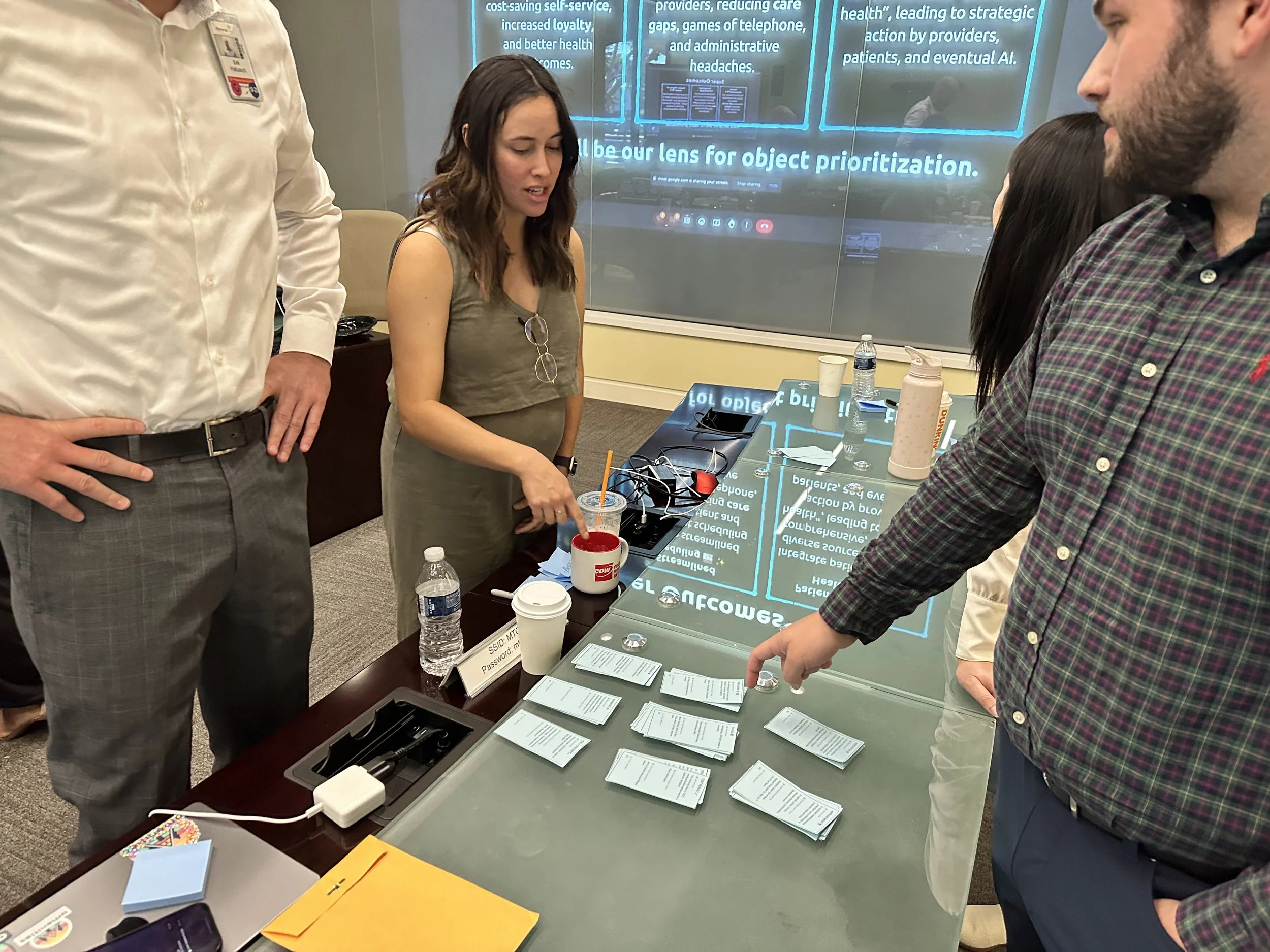
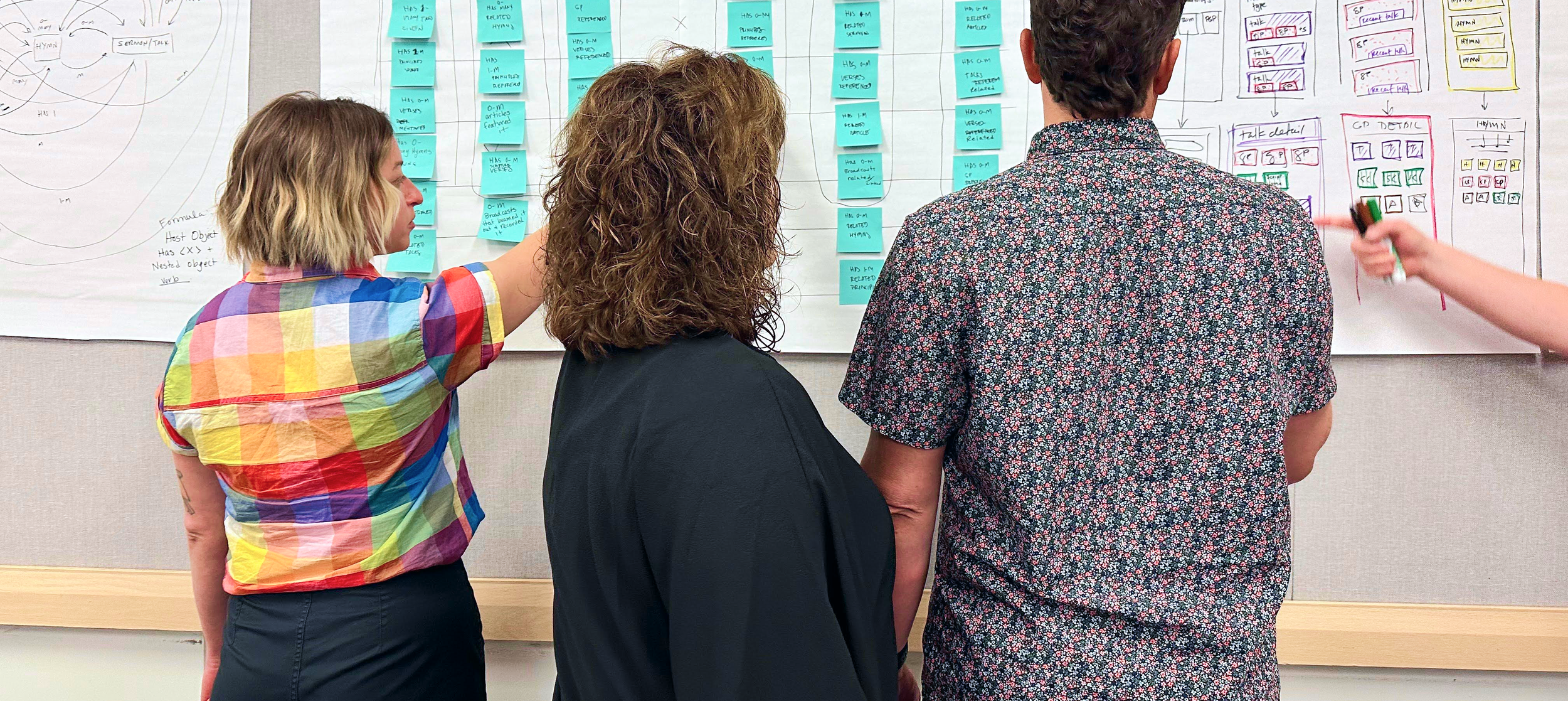
The outcome is a shared structural model that makes every downstream decision easier: what to build, how to prioritize, and how to talk about it across disciplines.

FORMAT
Four rounds to map your system.
Each round is used to understand a different layer of your system. I come prepared to live sessions with a draft. Your team reacts, corrects, and fills in what’s missing.
ROUND 1
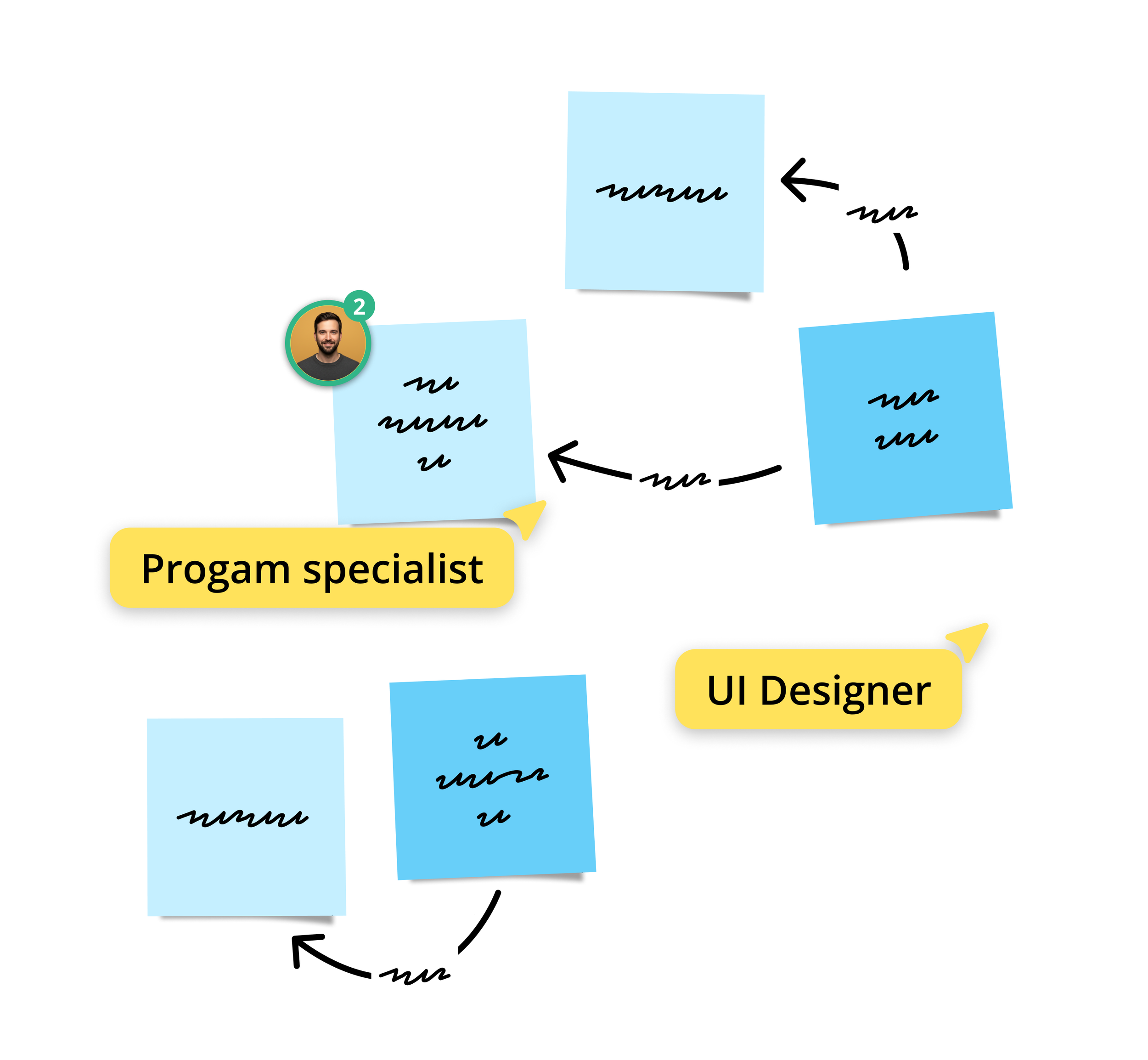
What are the core things in your system?
We identify the key objects your users need to find, manage, or interact with—projects, clients, orders, locations, reports—and narrow down to the ones that truly matter.
ROUND 2
How are those things connected?
We map how those objects relate to each other. Can a client have many projects? Is a location always tied to a team? These connections shape how people navigate your product.
ROUND 3
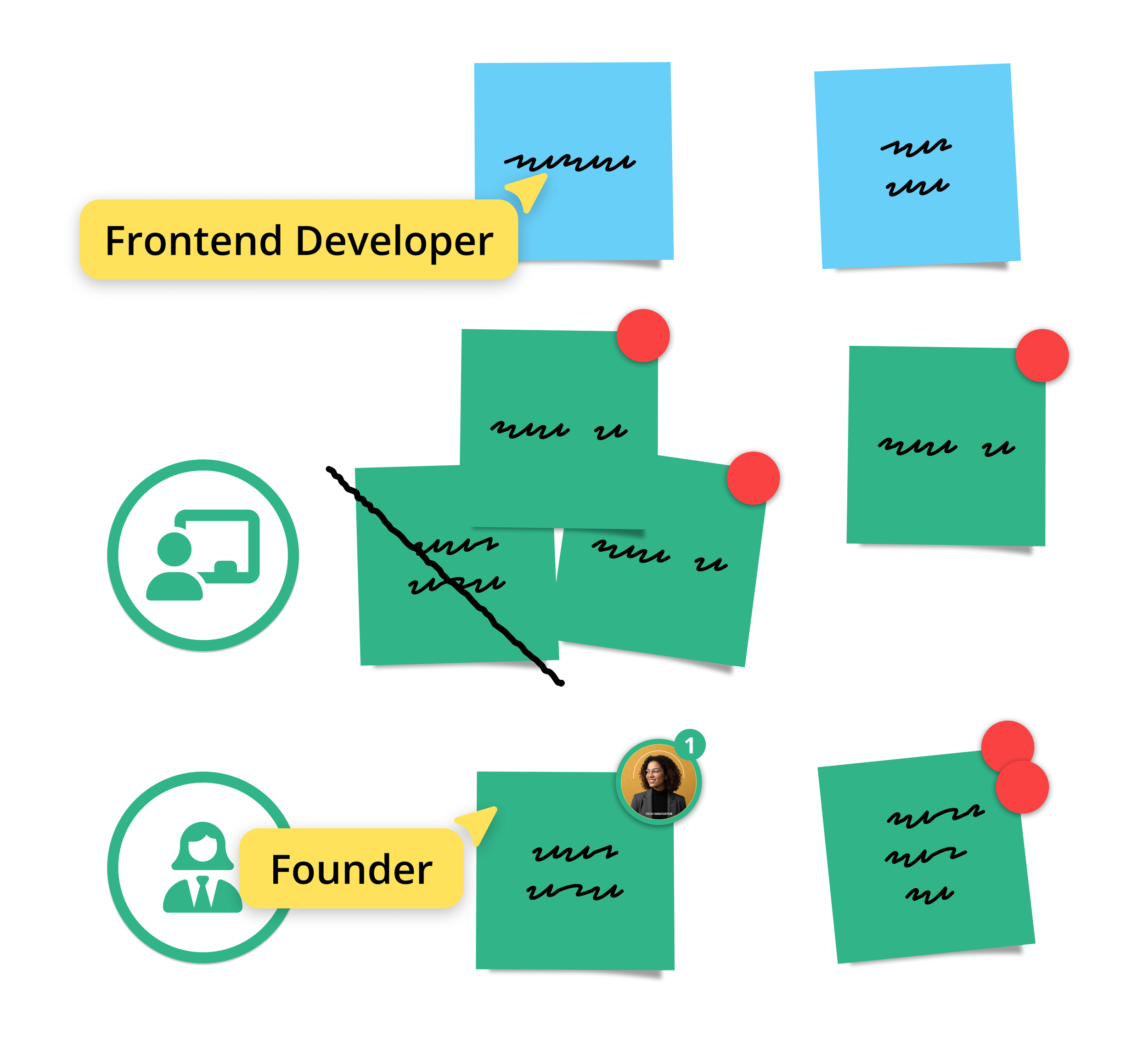
What can people do?
We define the actions different types of users can take on each object. The core capabilities and “features” of the system, organized by object and user role.
ROUND 4
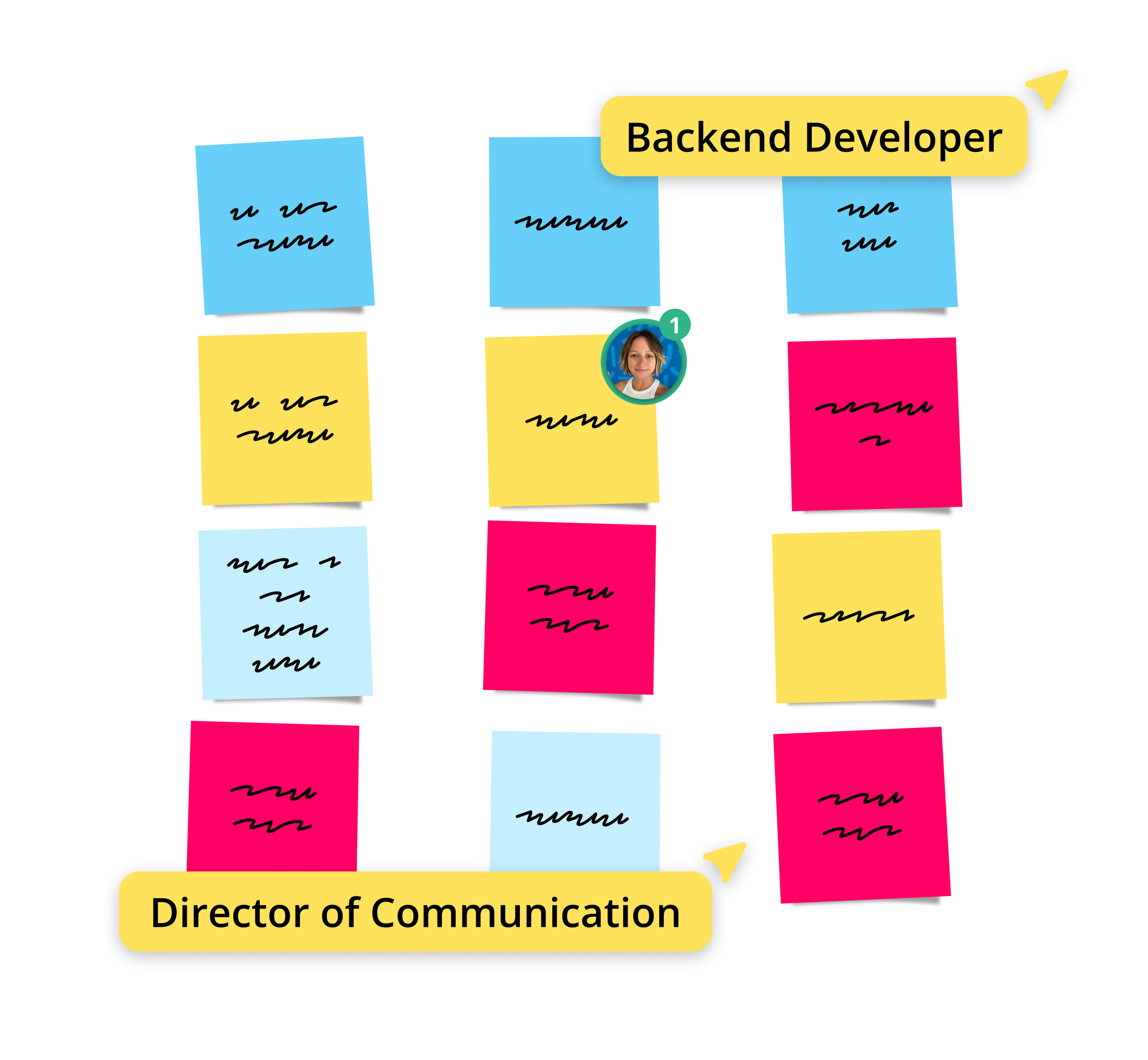
What details matter?
We go object by object and identify the characteristics that describe each object— name, description, category, and status. This becomes the basis of a content model and data structure.
TIMELINE
Time commitment and pace.
The content is the same regardless of timeline. The difference is how it fits into your team's schedule. Choose the pace that works best for your availability.
Standard Remote
6 weeks
The pace I recommend for most groups. We meet once a week for two-hour live sessions.
Between sessions, I'll send a short walkthrough video (15–30 minutes) for your team to review before the next session. That's about 2.5 hours per week, or roughly 15 hours total, from the people involved.
Condensed Remote
3 weeks
Same number of sessions, compressed timeline.
We meet twice a week for two hour live sessions, instead of once. This works for teams that have the availability and want to move faster, but it does mean about 5 hours per week from each person involved.
Intensive In-person
3 days
Best for teams who can block three full days and want to leave with everything decided.
This one takes some planning on both sides. Get in touch and we'll work out the details.
Every engagement is scoped to your system. Contact me to discuss your project and pricing
PARTICIPANTS
Who should be in the room.
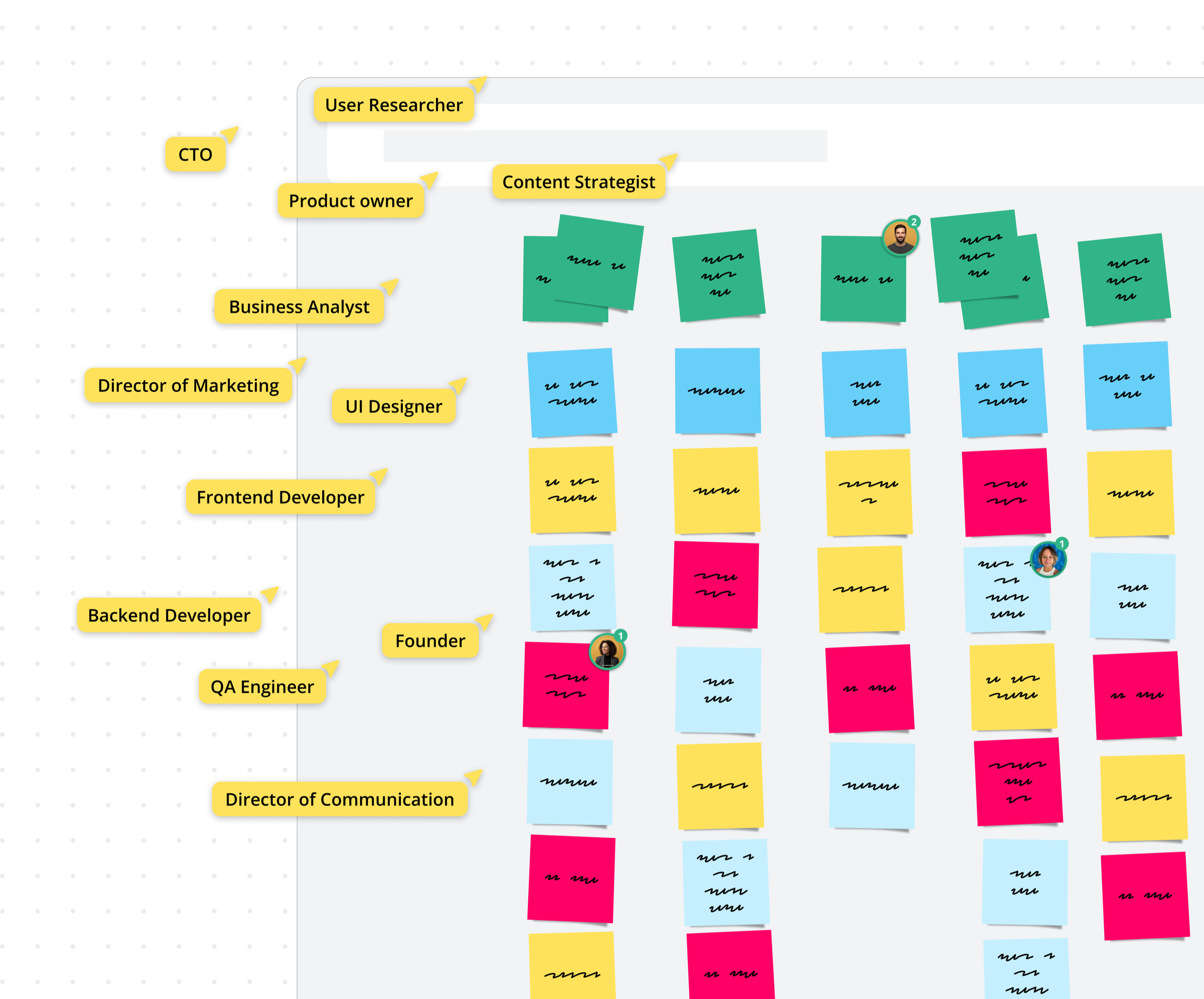
Anyone who deeply understands your product, your business goals, or your users. And the team whose designing and developing the product.
This typically includes leadership stakeholders, subject matter experts, and the design and development teams. Anyone whose perspective would be missed if they weren't at the table.
A group of 4–10 participants tends to work best. The larger the group, the less interaction each person gets. Consistent attendance across sessions matters. The value builds as we go, and losing a key perspective mid-process means we might miss something important.
DELIVERABLES
What you walk away with.
Everything produced during the engagement is designed to support design and development. These deliverables are built from the live sessions and input from your group.
-
A reference document defining every core thing in your system — what it is, why it matters, and how your team defined it. Think of it as a shared glossary of your product's building blocks, useful for onboarding new team members or training an AI agent on your domain.
-
A visual diagram of your system's core things and their prioritized details, co-created during the sessions. Objects across the top, with their associated attributes listed below in priority order. This becomes a strong starting point for a content model.
-
A recommended navigation structure based on how the things in your system relate to each other — grounded in how your users actually think about moving through it.
-
A breakdown of who can do what, where, and under what conditions. Covers both user-driven and automated actions.
-
Every walkthrough video from the engagement and workshop recordings so your team can revisit the thinking anytime.
-
All deliverables formatted so your team can load them into tools like Claude or ChatGPT and query your product's structure in plain language.
Get structural clarity before you spend another dollar on design.
Every engagement is scoped to your system. Book a call to discuss your project and pricing
FAQ
Why not skip this and go straight to design?
This is the necessary preparation to keep your design and development budgets lower. Without it, designers and developers are guessing, making assumptions about how your system should be structured that inevitably need to be reworked when reality doesn't match. The investment is up front, but it sets you up to go further with your budget. You're paying for clarity once instead of paying for rework repeatedly.
What if we already have a product or existing designs?
This process works whether you're building something new or rethinking something that already exists. For existing products, we often use what's already built as a starting point—especially when you're trying to rebuild a system and need to understand the complex requirements that have accumulated over years, or when you're making a significant change to the experience's architecture (here’s a great example of that)
What if our team disagrees during a session?
That's the point! Disagreements between stakeholders and subject matter experts are one of the most valuable things this process surfaces. It's far better to discover that your sales team and your operations team have different mental models now than after you've built something that only works for one of them. The live sessions are structured to make those disagreements visible and resolvable.
How is this different from what our product manager or business analyst already does?
Product managers and business analysts do critical work! But they're often focused on features, requirements, and priorities within an existing structure. This process steps back and examines the structure itself. Before you decide what features to build, you need agreement on what the fundamental things in your system are, how they connect, and what people can do with them. That structural foundation is what this engagement produces, and it's what makes everything your PM and BA do afterward more effective.
Do participants need to prepare anything?
I come prepared to each live session with research and a draft point of view. Your team doesn't need to do heavy lifting ahead of time. Just review a short video before each session and show up ready to react. Live time is spent discussing and making decisions together, not absorbing information for the first time.